
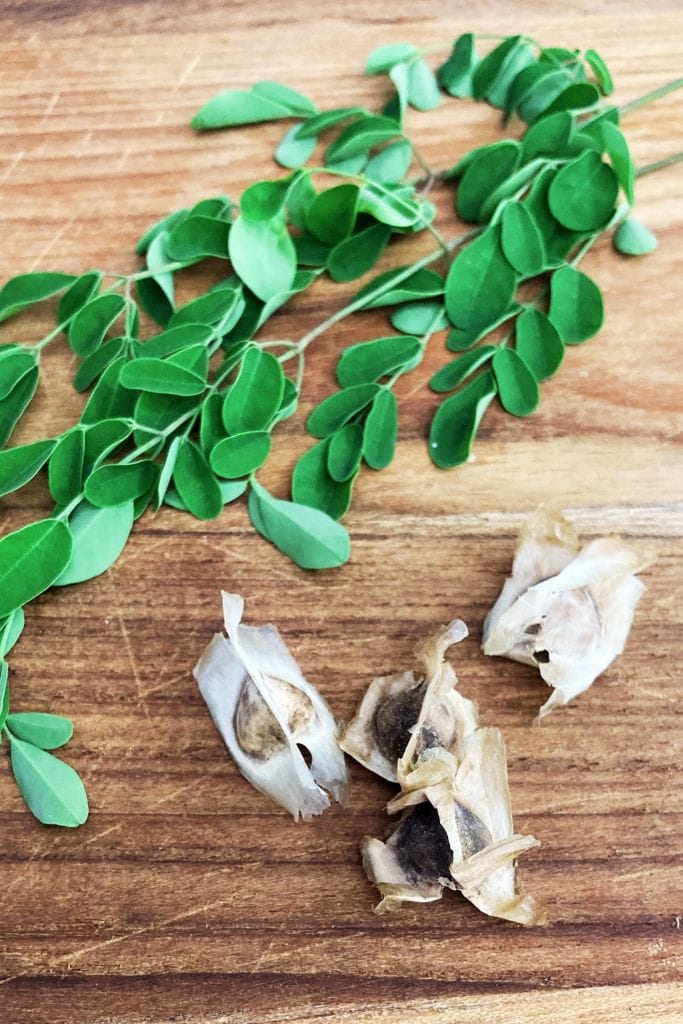
Moringa seeds vs leaves benefits depend on which part of the plant you want to use. Moringa leaves are the part most commonly dried for tea, powder, and capsules, while the seeds have a different nutrient and oil profile and are used in different ways.
Choosing the right one depends on what your body needs.
To ensure you’re getting the best quality, we recommend sourcing your moringa from trusted suppliers like Moringa Magic Leaf Capsules.
Moringa Seeds vs Leaves: Which Is Better? (Quick Answer)
- Choose moringa leaves if you want the familiar leaf form used for tea, powder, or capsules. For a convenient capsule option, see my Moringa Magic review.
- Choose moringa seeds if you specifically want to grow moringa or explore the seed itself. I source seeds from Grow Moringa.
- Use both if you want a balanced herbal routine
A quick breakdown of moringa seeds vs leaves, including their different uses and how each part of the moringa tree is commonly used.

Moringa Seeds vs Leaves Benefits Comparison
When exploring moringa seeds vs leaves benefits, each part of the tree serves a different role.
| Feature | Moringa Leaf Powder | Moringa Seed Powder |
|---|---|---|
| Best For | Everyday culinary use, teas, powders and capsules | Seed use, growing, oil and occasional culinary use |
| Main Nutrients | Vitamin C, Vitamin A, Calcium, Iron | Protein, Oleic Acid (Omega-9), Fiber |
| Taste | Mild, grassy, similar to green tea | Nutty, slightly bitter or peppery |
| Use Case | Tea, powder, capsules and culinary use | Planting, seed oil and other seed uses |
Recommended Moringa Leaf Capsules:
Recommended Moringa Seeds:
Moringa Seeds vs Leaves for Gut Health
Many people searching for moringa seeds vs leaves benefits are looking for digestive support.
Moringa leaves help nourish the gut through their vitamin and mineral content, supporting overall digestive health.
Moringa seeds contain different oils and plant compounds from the leaves. Research has investigated some of these compounds in laboratory settings, but that does not establish the seeds as a treatment for digestive problems, parasites, or other medical conditions.
How Moringa Seeds Differ From the Leaves
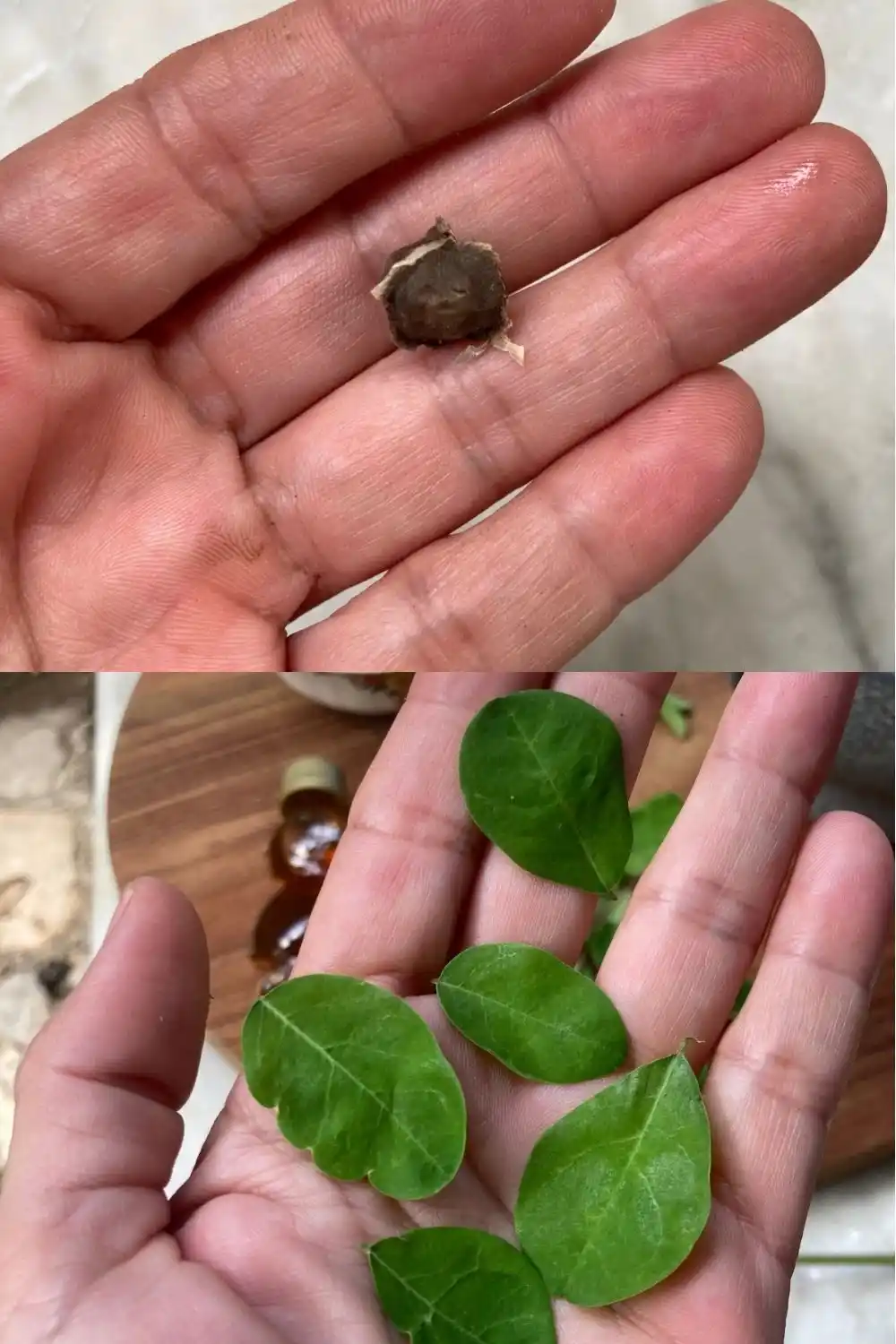
Moringa seeds have a different composition from the leaves, including seed oil and fiber. If you want seeds for growing or for exploring the seed itself, I use Grow Moringa as a source.
The seeds contain fiber, oil, protein, and naturally occurring plant compounds. Their composition is different from the leaves, which is why I treat seeds and leaves as two distinct forms rather than interchangeable moringa products.
Moringa Seeds vs Leaves for Plant Growth
For plant growth, moringa leaves and seeds serve completely different purposes. Seeds are used to grow new moringa trees, while extracts made from moringa leaves have been studied as natural plant biostimulants for other plants.
Moringa leaf extract has been researched as a foliar treatment for crops, with studies investigating its effects on plant growth, germination and stress tolerance.
Moringa seeds, on the other hand, are the starting point if your goal is to grow a moringa tree. I grow moringa from seed here in Trinidad, where the warm climate makes it possible for seedlings to establish and grow quickly when conditions are right.
So, if you want to grow moringa, choose the seeds. If you’re interested in using moringa to support the growth of other plants, it’s the leaves and leaf extract that researchers have studied.
Iron and Nutrients in Moringa Leaves
Moringa leaves contain iron along with a range of other nutrients. The amount varies with growing and processing conditions, and moringa should not be treated as a substitute for evaluation or treatment of iron deficiency or anemia.
The leaves contain iron and other nutrients, but the amounts in fresh leaves, dried powder and finished supplements can differ substantially.
If you prefer the leaf in capsule form rather than measuring loose powder, see my hands-on Moringa Magic review.
What research says about moringa seeds: Moringa seeds contain plant compounds including isothiocyanates. Research has investigated these compounds and their biological activity, but that is not the same as showing that eating moringa seeds will treat blood sugar, weight, or metabolic conditions in people.
Antioxidant Compounds in Moringa Leaves
Moringa leaves contain naturally occurring antioxidant compounds, including quercetin and other polyphenols. These compounds are among the reasons researchers have taken an interest in moringa leaves.
However, the presence of antioxidants in the plant does not mean that moringa supplements have been proven to balance hormones, reduce inflammation, or treat related health conditions.
Simple Ways to Use Moringa
Moringa can be used in several different forms, depending on which part of the plant you have.
- For a convenient leaf-powder option, consider Moringa Magic Capsules.
- Seeds: Save mature seeds for planting if you want to grow your own moringa tree. I source seeds from Grow Moringa.
If you prefer the convenience of leaf capsules, you can read my Moringa Magic review to see the product I tested.
How to Use Moringa in Smoothies

Moringa can easily be added to your daily routine.
- Add a small amount of moringa leaf powder to a smoothie, following the serving guidance for the product you’re using.
- Combine with fruits like banana, mango, or berries
- Use capsules if you prefer to avoid the taste
For smoothies, I would stick with moringa leaf powder rather than the seeds. The leaf powder blends easily with fruit and is the form most commonly used this way.
How to Brew Moringa Tea
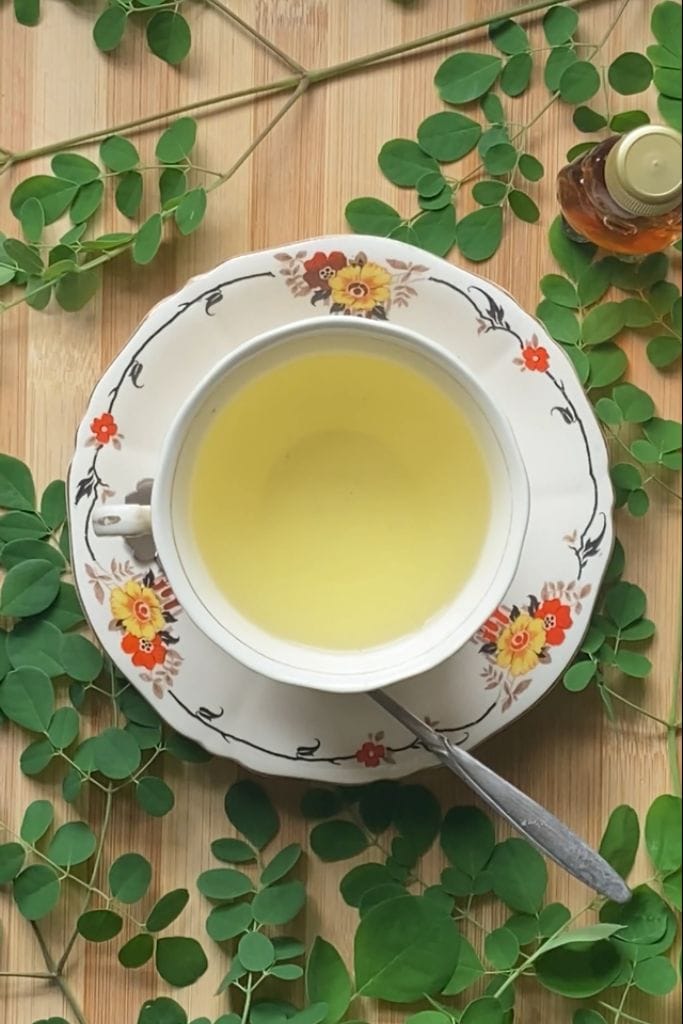
Moringa tea is one of the simplest ways to use the leaves.
Use water heated just below boiling, around 185°F.
Steep about 1 teaspoon of dried moringa leaves for 5 to 7 minutes, then strain.
The result is a mild, earthy tea that can be enjoyed plain or with ingredients such as lemon, ginger, or honey.
You can also explore other Caribbean plants such as shining bush, a plant I cover separately on Sansa Herbs.
Moringa Tea vs Powder: Which Is Better?
- Tea: uses the leaves as an infusion and is a good choice if you enjoy moringa as a drink.
- Powder: uses the whole dried leaf, so you consume the leaf material rather than only an infusion.
- Capsules: are a convenient way to take a measured amount of moringa leaf powder, depending on the product.
Which is better depends on how you prefer to use moringa.
How Much Moringa Should You Use?
There is no single appropriate amount for every moringa product or every person. For packaged powders or capsules, follow the serving directions on the current product label rather than relying on a universal dose.
Powder and capsules: use the serving information supplied with the specific product. Concentration and serving size can differ between products. If you take medication, are pregnant or breastfeeding, or have a health condition, ask a qualified healthcare professional whether a moringa supplement is appropriate for you.
Start low and increase gradually to avoid digestive discomfort.
- Recommended Moringa Leaf Powder: Moringa Magic leaf capsules.
- Recommended Moringa Seeds: Grow Moringa Premium Seeds
Moringa Seeds Dosage Guide
I would not use a universal seed-count recommendation here. Moringa seed products and intended uses vary, and whole seeds are not interchangeable with standardized capsules or oils.
- Follow the directions provided for the specific seed product and intended use
- Do not assume that a dose suggested for one moringa product applies to another
- For supplement use, follow the product label and seek professional guidance when appropriate
Ensure you’re using high-quality seeds for accurate dosing; find them at Grow Moringa.
Moringa Seeds Side Effects and Safety
Moringa is generally safe when used correctly.
- Start with small amounts
- Avoid during pregnancy without guidance
- Consult a professional if taking medication
- Do not consume roots or root bark
Moringa Seeds vs Leaves Benefits FAQ
Neither is better overall. Leaves are the part most commonly used as a leafy food, tea, powder or capsule, while seeds are a different part of the plant with different culinary, growing and oil uses.
I would not give a universal daily seed count. Whole seeds and commercial moringa products can differ, so follow product-specific directions and seek professional guidance if you plan to use moringa as a supplement.
Moringa leaves contain a range of nutrients and are commonly used fresh, dried, as powder, in tea, or in capsules.
Yes, but it will not dissolve fully. For a smoother tea, use dried leaves instead.
There is no single best time that applies to everyone. If you use a packaged moringa product, follow its directions and choose a time that fits your routine.
Yes. Many people combine moringa with other herbs depending on their needs. For example, you can pair it with herbal teas for a more balanced routine.
Final Thoughts
Moringa seeds vs leaves benefits come down to how you want to use the plant.
For most people interested in adding moringa to food, tea, powder or a capsule routine, the leaves are the more familiar choice. Seeds are a separate option with different uses, including planting and oil production.
By understanding the difference, you can choose the right approach and build a simple, effective herbal routine that fits your lifestyle.
Want to try moringa for yourself? You can choose Moringa Magic leaf capsules if you prefer a ready-to-use leaf supplement, or Grow Moringa seeds if you want to grow your own moringa tree.